
Sleep Apnea Oral Appliances In Hubli
Waking up more tired than when you went to bed, getting nudged at night for loud snoring, or fighting to stay awake during meetings can feel frustrating and confusing. Many people blame stress, age, or “just bad sleep” without realizing that their airway might not be working properly at night. If you or your partner notice disrupted sleep, gasping, or constant tiredness, your body may be asking for help.
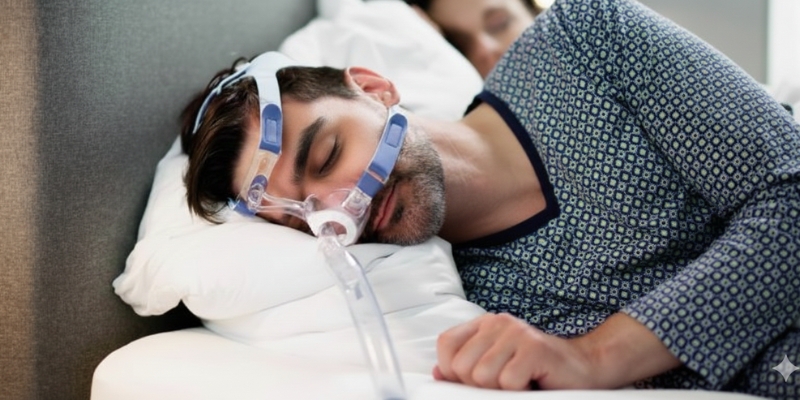
In such cases, understanding how sleep apnea oral appliances work gives you a clear, practical, and non-invasive way to improve your breathing, sleep quality, and daily energy levels. If you are looking for treatment for sleep-disordered breathing, then sleep apnea oral appliances in Hubli at Shree Vishwa Vande Dental Clinic & Implant Center might be the place you are looking for.
What Are Sleep Apnea Oral Appliances?
Sleep apnea oral appliances refer to custom-made dental devices that you wear in your mouth while you sleep to keep your airway open. These appliances gently reposition your lower jaw and tongue so that air flows more freely through your throat. They offer an effective alternative for individuals who cannot tolerate other treatment methods or prefer a non-invasive approach.
Specialists design these devices to address Sleep-disordered breathing, including Sleep apnea and related snoring, by improving the mechanics of your upper airway during sleep. You receive a fully customized fit based on your jaw structure, teeth alignment, and specific sleep disorder diagnosis.
How Do Sleep Apnea Oral Appliances Work During Sleep?
When you sleep, the muscles around your throat naturally relax. In some individuals, this relaxation allows the lower jaw and tongue to fall backward, narrowing or blocking the airway. Sleep apnea oral appliances reposition the jaw slightly forward and support proper tongue posture, which helps maintain an open airway.
By doing this, these appliances:
- Increase the space behind the tongue
- Reduce the vibration of the soft tissues that cause snoring.
- Decrease episodes of airway collapse
- Improve oxygen levels during sleep.
This mechanism supports better sleep continuity, fewer awakenings, and improved daytime alertness.
Which Conditions Can Sleep Apnea Oral Appliances Help Manage?
Although healthcare providers primarily design these devices for Sleep apnea, they also help in several other related conditions. Based on your diagnosis, sleep apnea oral appliances may assist in managing:
- Obstructive sleep apnea (mild to moderate)
- Primary snoring and upper airway resistance
- Certain forms of teeth grinding (bruxism)
- Jaw joint-related breathing issues.
Because these conditions often fall under Sleep-disordered breathing, oral appliances play a supportive role in maintaining more stable nighttime breathing patterns.
Who Is an Ideal Candidate for Sleep Apnea Oral Appliances?
Not everyone requires the same treatment approach, so you should know whether sleep apnea oral appliances fit your profile. You may qualify as a suitable candidate if:
- You have mild to moderate obstructive sleep apnea
- You experience persistent snoring that disturbs your sleep.
- You find it difficult to tolerate other therapies.
- You prefer a non-invasive, portable treatment option.
- You have good oral health and stable teeth.
A sleep specialist or dental professional evaluates your sleep study results, airway structure, and jaw position before recommending the most appropriate appliance.
What Types of Oral Appliances Are Used for Sleep Apnea Treatment?
Several types of devices fall under sleep apnea oral appliances, each designed with specific features to support your airway. Common categories include:
- Mandibular advancement devices (MADs): These appliances hold the lower jaw slightly forward to prevent airway collapse.
- Tongue-retaining devices: These devices stabilize the tongue to stop it from falling backward during sleep.
- Specialized TMJ-based appliances: These devices support both jaw joint health and breathing, helping you maintain a better jaw position.
Examples of commonly used devices include mandibular advancement mouthguards, low-profile adjustable oral appliances, and advanced digital-fabrication appliances that offer precision fit and comfort. Your specialist selects the model that best matches your jaw structure, sleep pattern, and diagnosis.
What Are the Benefits of Choosing Sleep Apnea Oral Appliances?
Patients choose sleep apnea oral appliances for many reasons. These devices provide several practical advantages, such as:
- Non-invasive treatment with no surgery
- Easy portability for travel
- Quiet and compact design
- Simple cleaning and maintenance
- Customized fit for comfort and effectiveness
Many patients report that they find it easier to wear an oral appliance consistently through the night. This regular use leads to better control of Sleep-disordered breathing, reduced snoring, improved oxygenation, and better daytime concentration.
What Are the Possible Side Effects or Limitations of Oral Appliances?
Any treatment can have limitations, and you should understand them to make an informed decision. With sleep apnea oral appliances, some patients may experience:
- Temporary jaw discomfort
- Mild tooth or gum soreness
- Increased salivation or dry mouth
- Minor changes in bite over time
Regular follow-ups help specialists adjust the appliance and monitor long-term changes. In some cases, severe Sleep apnea may require additional or combined treatment options. A sleep study and thorough evaluation ensure you follow the safest and most effective pathway.
What Is the Cost of Sleep Apnea Oral Appliances in Hubli?
The cost of sleep apnea oral appliances varies depending on several factors, including:
- Type and design of the appliance
- Complexity of your sleep disorder
- Diagnostic tests performed before treatment
- Number of adjustments and follow-up visits
- Materials and technology used for fabrication
You receive a clear treatment plan and cost estimate after your evaluation. While the initial cost may appear higher than some temporary options, the long-term benefits often justify the investment in better sleep and improved health.
Why Should You Choose Shree Vishwa Vande Dental Clinic and Implant Center for Oral Appliance Therapy?
Choosing the right provider plays a crucial role in the success of your sleep apnea oral appliances. At Shree Vishwa Vande Dental Clinic and Implant Center, experienced professionals:
- Evaluate your sleep study reports and symptoms in detail
- Perform a thorough examination of your jaw, teeth, and airway.
- Recommend the most suitable appliance type for your condition.
- Provide customized fittings for maximum comfort and function.
- Offer ongoing follow-up to refine and maintain your appliance.
This comprehensive approach ensures that your device not only fits well but also supports your breathing and sleep quality in a consistent, predictable way.
How Can You Get Started with Sleep Apnea Oral Appliances?
If you suspect that you have Sleep apnea, experience loud snoring, or feel excessively sleepy during the day, you should first undergo a detailed evaluation. A sleep study helps confirm the diagnosis and determine whether sleep apnea oral appliances suit your condition.
Once your specialist reviews your results, you proceed with impressions, jaw measurements, and appliance selection. After fabrication, you attend a fitting appointment and receive clear instructions on device use, cleaning, and follow-up visits.
Ready to Try a Non-Invasive Solution for Better Sleep?
Breathing interruptions at night do more than disturb your rest; they affect your heart, brain, mood, and overall health. This page has explained how sleep apnea oral appliances offer a customized, non-invasive approach to managing Sleep-disordered breathing, Sleep apnea, and related snoring. By gently repositioning the jaw and tongue, these devices help you breathe more easily, sleep more deeply, and feel more energized during the day.
Take the next step toward restful, healthier sleep—book your assessment for sleep apnea oral appliances in Hubli today with Shree Vishwa Vande Dental Clinic and Implant Center and begin your journey to better nighttime breathing.
Frequently Asked Questions
1. How do sleep apnea oral appliances help treat obstructive sleep apnea?
Sleep apnea oral appliances reposition your lower jaw and support proper tongue posture to keep your airway open during sleep. This positioning reduces airway collapse, which forms the basis of obstructive Sleep apnea. As a result, you experience fewer breathing interruptions and more stable oxygen levels. Over time, this improvement translates into better sleep quality and reduced daytime fatigue.
2. Are sleep apnea oral appliances suitable for everyone with sleep apnea?
These devices work best for individuals with mild to moderate obstructive Sleep apnea or primary snoring. Specialists may also consider them for patients who cannot tolerate other therapies or want non-invasive options. A detailed evaluation and sleep study determine whether sleep apnea oral appliances offer sufficient support for your condition. In more severe cases, your provider may suggest combination therapy or alternative approaches.
3. Will sleep apnea oral appliances stop snoring completely?
Many patients notice a significant reduction in snoring once they start using their appliance regularly. By improving airway space and minimizing tissue vibration, the device often lowers snoring volume and frequency. However, individual results can vary depending on anatomy, weight, sleeping position, and other health factors. Your provider monitors your progress and makes adjustments to improve the effectiveness of your sleep apnea oral appliance.
4. How long do I need to wear a sleep apnea oral appliance each night?
You typically wear the device every night throughout your sleep duration to maintain continuous airway support. Consistent use helps you achieve the full benefits of treatment, including reduced apneic episodes and improved daytime alertness. Discontinuing use may allow symptoms to return, especially in chronic cases of Sleep-disordered breathing. Your specialist guides you on long-term usage and follow-up evaluation.
5. How do I care for and maintain my sleep apnea oral appliance?
You should clean your appliance daily using recommended cleaning solutions or a soft brush and mild cleanser. Proper storage in a ventilated case protects it from damage and contamination. Regular follow-up visits allow your provider to check the fit, adjust the device, and monitor your response. Good maintenance supports the durability and effectiveness of sleep apnea oral appliances over time.